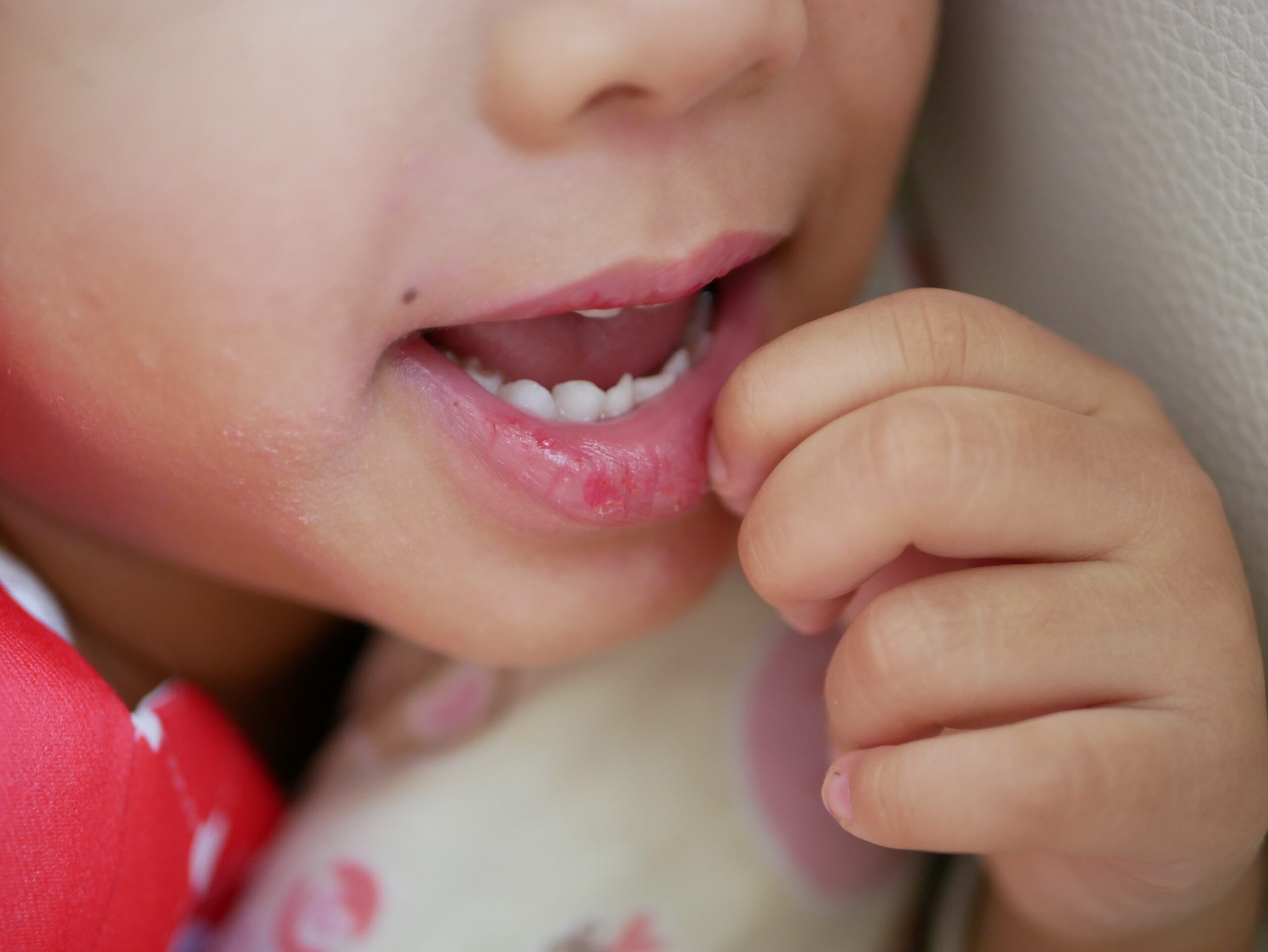

It’s a moment many parents experience—you hand your child a bite of food, and minutes later, it’s still sitting there, tucked away quietly in their cheek. You start to worry, you feel confused, and maybe you’re even a little scared. Why is this happening? Is something wrong? And more importantly, how can you help without turning every meal into a battle?
If your child holds food in their mouth, also known as food pocketing, you are not alone. Many parents go through this, and it’s more common than you might think. Understanding why it happens is the first step to helping your child develop healthy eating habits in a calm, supportive way.
Olga Sirbu will explore:
-
What food pocketing is
-
Why it happens
-
The potential risks
-
Six practical strategies you can start using today
Let’s dive into it together.
What Is Food Pocketing?
Food pocketing happens when a child holds food in their mouth—often in the cheeks, gums, or under the tongue—instead of chewing and swallowing it like usual. This behavior can happen with almost any type of food:
-
Soft foods like bread or bananas
-
Crunchy foods like carrots or crackers
-
Chewy foods like meats or granola bars
Sometimes it looks harmless, but over time, food pocketing can lead to several concerns:
-
Choking risks
-
Tooth decay due to prolonged exposure of food to teeth
-
Poor oral hygiene
-
Avoidance of eating
-
Delayed self-feeding independence
Recognizing and addressing food pocketing early can help prevent these risks from escalating.
Why Your Child Holds Food in Their Mouth?
There are several reasons why a child may hold food in their mouth. Food pocketing is not exclusive to children on the autism spectrum—it happens across a wide range of children and even adults. Some common causes include:
Sensory Sensitivities
Some children are sensitive to the texture, temperature, or flavor of certain foods. A food might feel sticky, rough, slimy, or too strong in taste, and instead of swallowing it, they prefer to simply hold it in their mouth.
Oral-Motor Delays
Some children may have difficulty coordinating the movements involved in chewing and swallowing. They might not have developed these skills fully, making the act of eating more challenging.
Avoidance
A child may dislike a particular food but doesn’t want to spit it out due to embarrassment or because they’re unsure how to get rid of it without drawing attention.
Comfort
Sometimes, the child simply enjoys the taste or texture and wants to keep the food in their mouth for longer.
Habit
Over time, food pocketing can become a learned habit. The mouth starts acting like a storage space instead of completing the chewing and swallowing process.
No matter the reason, the goal is to gently support your child in building safe and healthy eating patterns without making mealtimes stressful.
Why Early Support Matters
The sooner you address food pocketing, the easier it is to guide your child toward positive eating habits. If left unchecked, pocketing can:
-
Increase the risk of choking
-
Lead to tooth decay and other dental issues
-
Cause long-term mealtime struggles
-
Delay independence in feeding skills
But with calm, compassionate strategies, you can help your child feel more comfortable and confident when eating.
Six Practical Strategies to Help Your Child Stop Food Pocketing
Here are six simple, science-backed strategies you can begin using today to support your child:
1. Use Smaller Bites
Start by reducing the size of the food portions you offer. Smaller bites make it easier for your child to chew and swallow without feeling overwhelmed.
Try:
-
Quartered grapes instead of whole ones
-
Tiny cubes of bread or cheese
-
Thin carrot coins instead of large chunks
You can also preload spoons or forks with manageable portions if your child tends to take big bites.
2. Prompt Chewing and Swallowing
Don’t wait until you notice food pocketing. Encourage your child to chew throughout the meal with gentle prompts:
-
“Chew, chew, chew. Now swallow.”
-
Visual cues like tapping your chin or pointing to a simple card showing “chew” and “swallow”
For visual learners, create an illustrated sequence showing bite, chew, and swallow steps. This makes the expectations clear without feeling like constant nagging.
3. Offer Sips of Water Between Bites
Water is an excellent tool during meals:
-
It helps clear leftover food from the mouth
-
It encourages natural swallowing
-
It reduces stickiness and discomfort
Create a rhythm: bite, chew, swallow, sip. You can make it fun by using colorful straws or small cups that engage your child’s interest.
4. Use Preferred Foods for Practice
Start practicing with foods your child already enjoys and can manage easily.
Good options include:
-
Smooth yogurt
-
Soft fruits
-
Crackers or cheese puffs
-
Rice wafers
Once your child is confidently chewing and swallowing these foods, you can gradually introduce more challenging textures.
5. Limit Distracted Eating
Food pocketing often happens when children are distracted. If your child is watching TV or playing with a tablet during meals, they may zone out and forget to chew or swallow.
Try to:
-
Create a focused mealtime with no screens
-
Use simple visual rules like “Sit at the table, chew, swallow, then play.”
-
Set a visual timer for mealtimes (for example, 20 minutes) to help your child stay engaged in eating.
6. Model Chewing and Swallowing
Children learn best by watching the adults around them. During meals:
-
Sit beside your child
-
Take a bite and exaggerate your chewing
-
Smile and say, “I chew, chew, chew! All gone!”
Make it playful and light. Modeling shows your child what successful eating looks like without adding pressure.
A Compassionate Reminder for Parents
If your child holds food in their mouth, it does not mean you’re doing something wrong. You are not failing. Every time you notice pocketing, respond with calm curiosity, not panic. Try a new strategy. Offer gentle support. Remember, this is a process, not a performance.
Some days will feel like big wins. Other days might feel like a step backward. Both are part of the journey. Every small success matters—each safe swallow, each moment of patience, each calm mealtime. Through this, you’re not just teaching your child about food—you’re building trust.
Final Thoughts
Understanding why your child holds food in their mouth is the first step toward supporting them in a way that feels safe, respectful, and effective. Whether the cause is sensory, skill-based, emotional, or habitual, you can help your child build better eating habits without stress or fear.
By using smaller bites, prompting chewing, offering water, practicing with favorite foods, limiting distractions, and modeling positive behaviors, you can transform mealtimes into calm, successful experiences.
You are not alone in this. With patience and consistency, you can guide your child toward safe and joyful eating, one bite at a time.
Also read: How to Help Your Child Stop Lip Picking
About Olga Sirbu
My name is Olga Sirbu, I am a Board Certified Behavior Analyst (BCBA) and Licensed Applied Behavioral Analyst. My goal is to support and empower families and individuals on the autism spectrum.
Autism Advance is dedicated to training parents and caregivers, providing practical tips, and teaching individuals how to educate kids with autism.
I share evidence-based practices to help you better understand and support individuals with autism. Learn practical strategies to help individuals with autism reach their full potential, as well as gain a deeper understanding and acceptance of autism.
Thank you for consideringAutism Advance as a resource for your autism journey.